
Rest Assured: 7 Ways to Restore Yourself

Updated: Sep 6
By Kaye Olsson, I Start Wondering Columnist
“I’m tired!”
How many times have you heard yourself or someone else say this? As a nation, America is exhausted. Our workaholic lifestyles, the constant doomscrolling, and the current political chaos have all taken a toll on our collective psyche.
And, as women, we are the ones who most often shoulder the invisible burdens of caregiving or the unacknowledged demands of emotional labor in our relationships.
We need to rest.
The sleep tourism market — in which people travel somewhere to rest — is booming. One report by HTF Market Intelligence estimates this travel trend will generate $400 billion by 2028. There’s no shortage of hotels selling premium experiences that promise even more relaxation than a standard vacation has to offer. These include sleep retreats, pillow menus, and wellness accessories such as eye masks or white noise machines.
But rest is more than simply sleep. It is not the absence of activity but the presence of peace. In her book Sacred Rest: Recover Your Life, Renew Your Energy, Restore Your Sanity*, Dr. Saundra Dalton-Smith outlines various types of rest that we all need based on decades of talking to patients in her internal medicine practice. Her writing was inspired by her own experience of “hitting the wall” after juggling a career and family responsibilities without taking enough time to recover. From the outside, her life had all the trappings of success, but inside, she was burned out. Sound familiar?
When we think about rest, it’s important to think about it in terms of energy. Dr. Dalton-Smith suggests there are actually seven different types of rest that we need, depending on the kinds of energy we have been expending. By noticing where our energy is going throughout the day, we can determine what sorts of restorative practices will be most impactful.
Physical Rest

The first kind of rest that most people automatically think of is physical rest. This could mean doing something passive, such as sleeping or napping. But physical rest can also involve taking a walk, getting a massage, or doing yoga. These are activities that help improve circulation, lymphatic drainage, flexibility, or muscle awareness. They address issues that may currently be negatively impacting how we feel physically, and they help the body restore itself to feel more energized. You may have a physical rest deficit if you are frequently sick, your muscles are always tired, or you depend on substances like caffeine and sugar to keep you going throughout the day.
Mental Rest
The next type of rest is mental. A person who has a mental rest deficit often lies down at night to sleep, but can’t turn their brain off because they are ruminating about the events of the day. They may be forgetful and have difficulty focusing their attention on a task, or they simply feel overwhelmed all the time. Mental rest addresses our brain’s processes, such as decision-making, memory function, and concentration. This kind of rest can look like meditation, or it can simply mean putting down your devices and quieting your mind for a few minutes. It can also look like “time blocking,” in which you schedule blocks of time on your calendar to complete particular kinds of tasks. Giving our brains an occasional break can help relieve feelings of mental stress or anxiety.
Emotional Rest

Closely related to mental rest is emotional rest, which addresses how we process our emotions. People who develop an emotional rest deficit may be in jobs or environments that do not allow them to authentically express their emotions. Signs that you might need an emotional rest include a tendency to focus on your failures and flaws, always apologizing, or feeling depressed, angry, or anxious when thinking about your life. Emotional rest activities could include talking about your feelings with someone you trust, journaling, or processing your emotions through a form of creative expression (such as art, music, or body movement).
Spiritual Rest
Another form of rest is spiritual. At the very core of this is our need to have a sense of belonging, to know that our life has meaning and purpose. Although spiritual rest does not necessarily equate with religion, some people are able to experience it through a faith-based system. Others may get this experience through volunteering for a cause they feel connected to, which allows them to feel like they are part of something greater than themselves by giving back to the greater good. You may be in need of a spiritual rest if you're feeling numb, apathetic, hopeless, trapped, or defeated.
Social Rest

Then there is social rest. You might automatically assume this is only for introverts who seek a respite from socializing, and that is certainly one aspect of it. But another element of social rest is simply experiencing life-giving interactions. Many of the people in our lives (children, spouses, elderly parents, coworkers, etc.) need things from us that constantly drain our social energy. Not replenishing that energy can lead to feelings of loneliness, isolation, or detachment. Social rest involves being intentional about our interactions with others and seeking out those who pour into us as much as we pour into them. It means balancing out the levels of giving and receiving in our relationships.
Sensory Rest

Now let’s move on to sensory rest. In this gadget-filled, technology-driven world, our senses are constantly being bombarded by nonstop movement, noise, and visual stimulation. Our brains are always working to filter these inputs, but the constant effort required can lead to fatigue and sensory overwhelm. Granting ourselves sensory rest can mean something as simple as taking a couple of breaks throughout the day. This could involve using noise-cancellation earphones or actually shutting down the screen, closing your eyes, and sitting in a quiet room for a few minutes. You may also want to consider ways of limiting exposure to other sensory stressors (such as unpleasant smells or sounds) by replacing them with something more enjoyable if possible.
Creative Rest
The final type of rest Dr. Dalton-Smith discusses in her book is creative rest. This does not mean feeling compelled to produce a perfect work of art. Just the opposite — it means leaving some white space in our minds and providing room for creativity to show up. This could be achieved by going to a museum, listening to music, or observing the work of an artist to discover what it stirs in you. It could be experiencing the awe of natural beauty in a body of water or a sunset. If you’ve been feeling like your work is of no value or find that you rarely do anything that’s just for you, you may be in need of creative rest. Often, simply observing the world with a blank, open mind can provide inspiration for something to awaken inside and unlock your creativity.
Embracing Rest
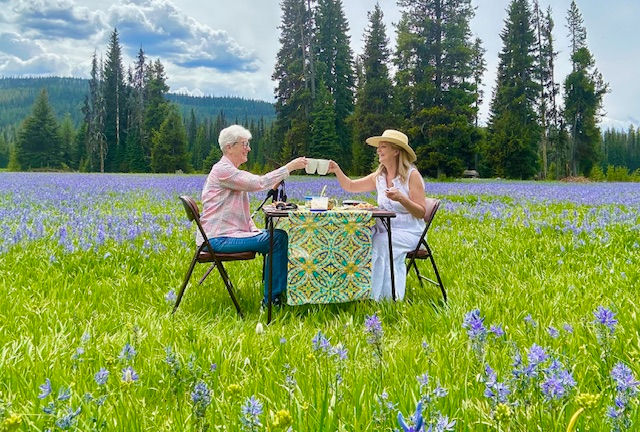
These seven essential types each can be achieved through various methods that don't necessarily involve sitting quietly in a room or lying down on a couch. Some may look quite active, and some of the seven types of rest can even overlap. For example, an experience that counts as physical rest could also be useful as emotional rest as well.
So how can we determine what kinds of rest we need? To start, Dr. Dalton-Smith recommends reflecting on your actions over the past 24 hours. What did you do? What kind of energy did you expend? And did you replenish it in some way?
Notice the area in your life that has the greatest energy deficit and try to pick a restorative practice to address it. Do you need to spend time with someone who lifts you up, take a walk in nature, or reduce environmental stimulation? Simply choose the best fit for your unique personality, preferences, background, location, etc., and give it a try.
It’s time to get some rest—you deserve it!
*All purchases through Bookshop benefit an independent bookstore. Proceeds from the purchase of these books will be used to support I Start Wondering's programming for women who have reached midlife and beyond.


Thank you, Kaye, for this timely column. You've made me reconsider rest--and equally important, HOW to rest. Moving forward, I plan to enjoy playing with watercolors, digging in the dirt, and enjoying Happy Hour in my courtyard with my dog without guilt. And I'm finding that I'm stepping away from the various technology screens and turning off the column on my devices to experience what it's like to be in the quiet (and even in solitude).